
Loading…
Loading…
Pathanamthitta's factories are small: rubber processors, food and spice units, hollow-brick and fabrication yards. ERPNext gives them costing and planning without a big-company system.
Official ERPNext Partner · 100+ ERP projects · Since 2011
Or call +91 62358 66111
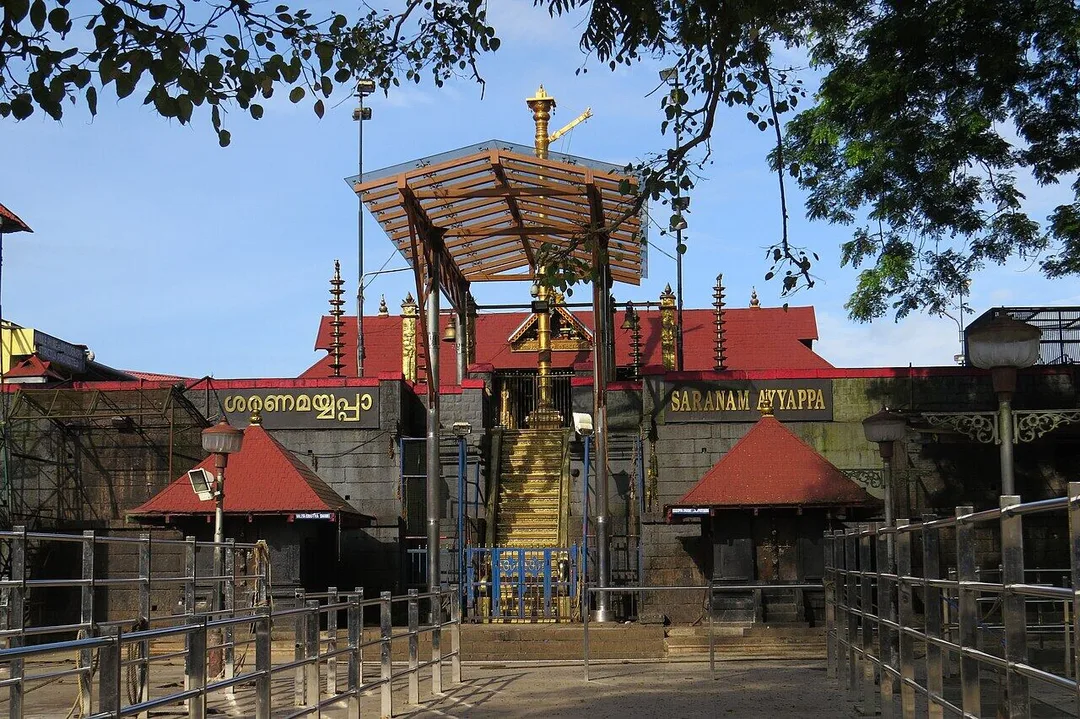
Photo: bhanukhan · Pixabay Content License · via Pixabay
Trusted by 200+ organisations across India & overseas — including






























Agro-based small industry
Recipes as bills of materials, batch-wise production with expiry, food-safety checks, packing in several sizes, and traceability from farmer lot to carton for the spice, oil and jaggery units in the Adoor park and the PAFCO consortium.
Natural rubber and plantations
Processing of latex and sheets into graded output with by-products, moisture and yield recording, and cost per kilogram for rubber processors and makers of bands, gloves and tread rubber.
Light engineering and fabrication
Gate, grill and general engineering units around Adoor quote from a bill of materials, issue steel by weight to each job, record welding hours, and see the margin on every job before the next quotation.
Pathanamthitta has no large industrial belt, and we will not pretend it has. Its manufacturing is a scatter of small units: rubber sheet and crumb processing near the plantations, oil and flour mills, spice and snack makers in the KINFRA park at Elamannoor, the gate-and-grill fabricators around Adoor, and the block and steel yards that serve house-building. Many sit on the Kunnamthanam development plot and the estates beside it.
These owners rarely know their true cost per kilogram or per piece. ERPNext manufacturing brings bills of materials, work orders, job cards, material consumption, by-product and scrap recording, subcontracting, quality inspection and batch traceability into the same system as purchase, stock and accounts. It is open source, with no per-user licence fee, which suits units of this size.
Case studies

BrahMos Aerospace Thiruvananthapuram Ltd (BATL)
BrahMos (BATL) — Secure, Auditable ERPNext Finance & Procurement

Indus Motor Company Private Limited
Indus Motor — ERPNext Cut Stock-Outs 40% Across Showrooms

Valiyaveedans Interiors
Valiyaveedans Interiors — ERPNext Halved Quotation Turnaround
Selling prices are set by looking at competitors, not at cost. With a bill of materials, actual material issues and recorded labour and power, ERPNext shows the real cost of each batch, and which products quietly lose money.
How much oil from a tonne of copra, how much finished crumb from field latex, how many blocks per bag of cement. Small differences in yield decide profit. Work orders compare planned and actual output batch by batch.
Before the pilgrimage season and before Onam, food and packaging units accept every order and then miss dates. Production planning against sales orders and available stock shows what can truly be delivered, and what raw material must be bought now.
An example
A spice unit in the KINFRA park at Elamannoor starts a Tuesday with a work order for a run of chilli powder. The storekeeper issues raw chilli against the bill of materials, and the batch number follows it through drying, grinding and packing. At the packing table the supervisor records the finished cartons by pack size and the sweepings as scrap, so the run's yield shows on screen before the shift ends. Moisture and colour checks are entered against the batch, ready for the buyer's audit. The owner, driving back from a customer in Kozhencherry, sees the cost per kilogram and notices that packing film has quietly become dearer. The delivery challan for a wholesaler in Thiruvalla prints with batch and expiry on it.
We start on the shop floor. A consultant visits your unit in Pathanamthitta, follows material from gate to dispatch, and builds the first bills of materials with your supervisor. The system is configured remotely and tested with real batches. Training is on site and in Malayalam where supervisors prefer it. We suggest going live with stock and production first, then adding costing detail once entries are regular.
Discovery. Your products, bills of materials, routings and how production is planned today.
Blueprint and fixed scope. A clear plan, the deliverables and the timeline, agreed in writing before configuration starts.
Configuration. Bills of materials, work orders, job cards, quality checks and costing.
Data migration. Items, bills of materials and opening stock, including work in progress.
Training, go-live and support. Your team tests on real data, we stand beside you at launch, then support continues under a plan.
The scope and timeline are agreed in writing before work starts.
Not if scope is kept sensible. A small unit may use only items, a few bills of materials, simple work orders, stock and accounts. There is no need for terminals at every machine; one supervisor entering the day's production gives reliable costing.
Yes. A work order can produce a main item along with by-products and scrap, each valued appropriately, and process loss is recorded against the batch. This suits rubber processing, oil milling and food production, where output is never a single clean number.
ERPNext records which supplier batch went into which production batch and which customers received it, with quality inspection results. That gives a food unit in Pathanamthitta the recall trail inspectors and larger buyers ask for.
After a first conversation about your products, plants and how production is planned and costed today, we agree the scope and send you a written quotation. The price, the deliverables and the timeline are fixed against that scope before any work starts, so nothing grows without your sign-off.
You speak to someone who does this work, not a call centre. They ask about what you make, how production is planned and where costing breaks down. If it looks like a fit, we agree the scope and put it in writing, with the timeline, before any work starts. If it does not, we tell you.
KINFRA Industrial Park, Adoor (Elamannoor)park
85-acre KINFRA park at Elamannoor near Adoor with 25 units; thrust sector is food processing and non-polluting industry; on the MC Road, about 45 km from Thiruvalla railway station.
An eighty-five acre park on the MC Road with food processing as its thrust sector; batch, expiry and yield tracking is what its units need to sell to organised buyers.
Source: kinfra.orgAdoor General Engineering Consortium (AGECO)cluster
Light-engineering cluster around Adoor of about 26 units making gates, grills and general engineering items; the DC-MSME 411-cluster list records a matching 2006-07 general-engineering diagnostic study.
About twenty-six fabrication units making gates, grills and general engineering items; job-wise costing from steel weight and labour hours is where their margin is won or lost.
Source: dcmsme.gov.inDIC Development Plot, Kunnamthanampark
The district's only Industries Department development area: 20.93 acres in Mallappally block, 82 units allotted and 65 working as of the 2017-18 DIC survey.
The district's only Industries Department development area, with dozens of working micro units; the manufacturing module scales down to one supervisor entering the day's production.
Source: industry.kerala.gov.inPlaces and organisations are named for local context only. Acube Innovations is not affiliated with or endorsed by them.
Everything about Manufacturing All solutions in Pathanamthitta
More solutions in Pathanamthitta
Get a clear plan, an honest timeline, and a fixed scope. Talk to a real expert today — whether or not you work with us.
or write to info@acube.co
Kochi (Kadavanthra & Infopark) · Thiruvananthapuram · across India & overseas · In business since 2011