
Loading…
Loading…
Malappuram manufactures more than it is credited for, from Nilambur teak furniture to Kottakkal's Ayurvedic medicines and Kakkanchery's packaged food, and most of it is still costed by estimate.
Official ERPNext Partner · 100+ ERP projects · Since 2011
Or call +91 62358 66111
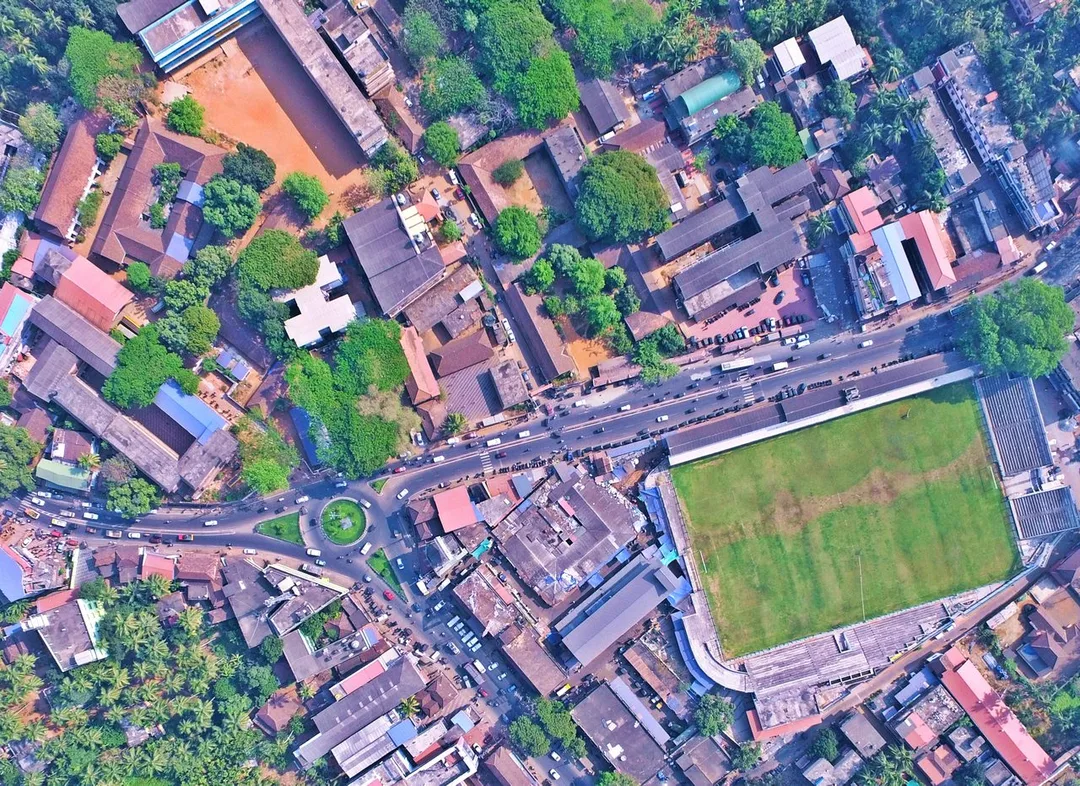
Photo: Truebrother · CC BY-SA 4.0, cropped · via Wikimedia Commons
Trusted by 200+ organisations across India & overseas — including






























Timber and furniture
Job-wise bills of materials for made-to-order furniture, sawmill conversion with yield, polishing and upholstery as operations or subcontract steps, and delivery scheduling for workshops in the wood-working cluster supplying showrooms across Kerala.
Food processing and Ayurvedic medicine
Formulation-based bills of materials, batch production records, raw lots traced into finished batches, expiry management and quality inspection points for units at the Kakkanchery food park and Kottakkal-area producers.
Paper products and construction materials
Daily output of paper products, blocks, pavers and fabricated steel tracked against pulp, cement, aggregate and steel consumed, with dispatch to dealers and builder sites recorded on the same system.
Malappuram is known as a trading district, and large factories are few. Its manufacturing is small and specialised: furniture workshops and sawmills around Nilambur and Edavanna, Ayurvedic medicine makers in the Kottakkal tradition, food units in the KINFRA park at Kakkanchery, paper-products makers, rubber units at Payyanad, and the block, tile and fabrication units that feed the building boom. Few know the true cost of what they make.
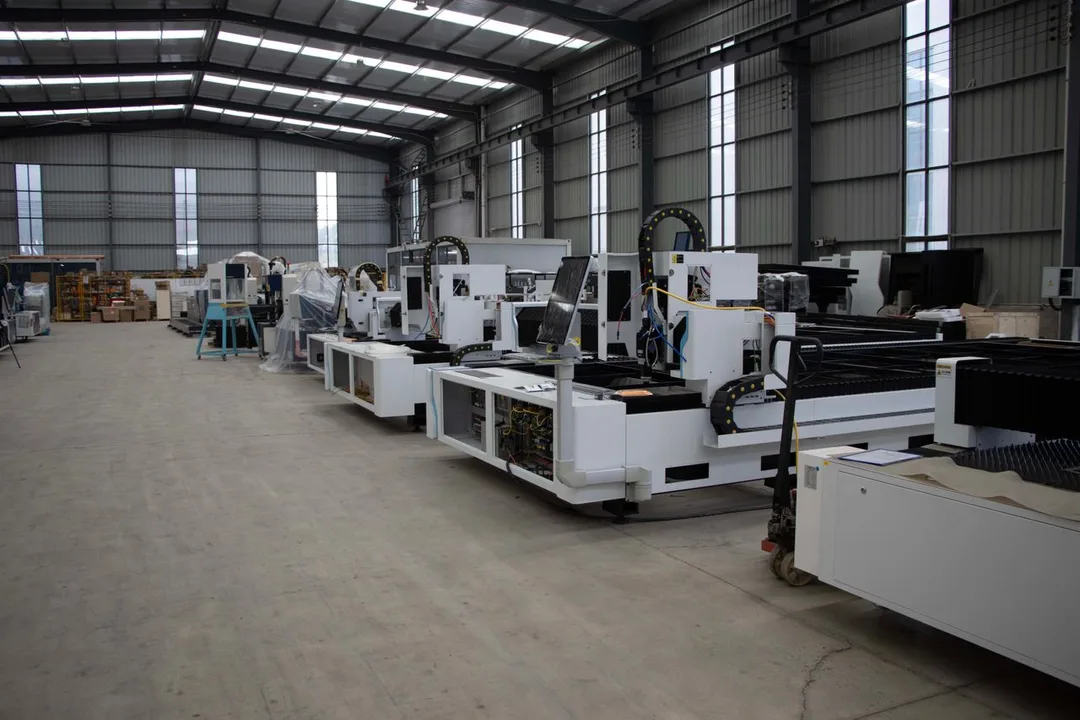
ERPNext's manufacturing module gives such units structure without the weight of a large-company system. Bills of materials define what goes into each product. Work orders and job cards track production through operations. Material is issued against orders, so consumption and wastage become visible. Subcontracting, batch tracking, quality checks and production planning are available when needed, and costs flow straight into accounts.
Case studies

BrahMos Aerospace Thiruvananthapuram Ltd (BATL)
BrahMos (BATL) — Secure, Auditable ERPNext Finance & Procurement

Competitive Cracker
Competitive Cracker — A Flutter E-Learning App That Scaled to 100K+ Installs

Della Fashions
Della Fashions — ERPNext POS Made Checkout 60% Faster Across Every Outlet
A furniture workshop quotes a dining set on experience and learns only later whether it made money. With a bill of materials per job, timber and hardware issued against it and labour hours recorded, the actual cost sits beside the quote, and the next quote is better.
Timber, herbs, flour or steel leave the store on a verbal request. At month end consumption is whatever is missing. Issuing material against work orders shows standard against actual usage by product and batch, which is where small manufacturers find their hidden losses.
Delivery dates are given to please the customer, then missed because the workshop was already full. A simple production plan showing open work orders, material availability and workstation load lets the owner commit to dates he can keep.
An example
At seven the supervisor of a snack and pickle unit in the Kakkanchery food park releases the day's work orders: two batches of banana chips and one of a pickle line for a Gulf order. The store issues coconut oil, bananas and packaging against each order, so by the time the fryers are hot the material is already costed to the batch. A quality check at eleven records oil temperature and moisture against the batch number, which later prints on every pouch. The pickle batch is traced to the spice lot it used, in case a buyer in Dubai asks. At four the owner sees actual yield against standard and knows, for the first time, what one batch cost.
We start on the shop floor. A visit to your unit in Malappuram, whether a Nilambur workshop or a plant at Kakkanchery, lets us follow a product from raw material to dispatch and see what your supervisors actually record. Bills of materials are built with them, not for them. Configuration is remote from Kochi, and we return for training at the machines and for go-live.
Discovery. Your products, bills of materials, routings and how production is planned today.
Blueprint and fixed scope. A clear plan, the deliverables and the timeline, agreed in writing before configuration starts.
Configuration. Bills of materials, work orders, job cards, quality checks and costing.
Data migration. Items, bills of materials and opening stock, including work in progress.
Training, go-live and support. Your team tests on real data, we stand beside you at launch, then support continues under a plan.
The scope and timeline are agreed in writing before work starts.
It can be, if everything is switched on. For a small unit we usually enable only bills of materials, work orders and material issue, which is enough to know job cost and consumption. Planning and job cards are added later if the unit grows.
We set up template bills of materials for common product types, which the estimator copies and adjusts per order for size, timber species and finish. This takes minutes, gives a consistent basis for quoting, and builds a history of actual costs.
Yes. Each production run receives a batch number with manufacturing and expiry dates, linked to the raw material lots used. If a complaint arises, you can trace a finished batch back to its ingredients and forward to the customers who received it.
After a first conversation about your products, plants and how production is planned and costed today, we agree the scope and send you a written quotation. The price, the deliverables and the timeline are fixed against that scope before any work starts, so nothing grows without your sign-off.
You speak to someone who does this work, not a call centre. They ask about what you make, how production is planned and where costing breaks down. If it looks like a fit, we agree the scope and put it in writing, with the timeline, before any work starts. If it does not, we tell you.
Food Processing Park (SEZ), Kakkancherypark
Listed on KSIDC's industrial-parks page as the food-processing special economic zone at Kakkancherry in Malappuram district.
The district's food-processing SEZ, where batch numbers, raw-lot traceability and expiry on every pouch are conditions of selling to export buyers.
Source: ksidc.orgWood-working cluster, Malappuram (Valluvanad Wood Consortium)cluster
MSE-CDP hard-intervention cluster with a common facility centre for rubber-wood treatment and furniture; the 2018 survey counted about 400 units in the cluster.
A cluster of several hundred small furniture and rubber-wood units around a common treatment facility, each quoting made-to-order jobs it cannot yet cost accurately.
Source: dcmsme.gov.inPaper products consortium (Malabar Paper Consortium)cluster
Third cluster formed in the district per the 2018 survey, alongside proposals for food-processing and automobile-engineering clusters.
Paper-product makers run continuous output against pulp and chemical consumption, a plain case for standard-versus-actual material reporting.
Source: industry.kerala.gov.inPlaces and organisations are named for local context only. Acube Innovations is not affiliated with or endorsed by them.
Get a clear plan, an honest timeline, and a fixed scope. Talk to a real expert today — whether or not you work with us.
or write to info@acube.co
Kochi (Kadavanthra & Infopark) · Thiruvananthapuram · across India & overseas · In business since 2011