
Loading…
Loading…
Also serving Alleppey
Alappuzha's manufacturing is coir matting woven across many small units, plastics and packaging moulded at Pallippuram and rice milled in Kuttanad; ERPNext plans and costs production of that kind.
Official ERPNext Partner · 100+ ERP projects · Since 2011
Or call +91 62358 66111

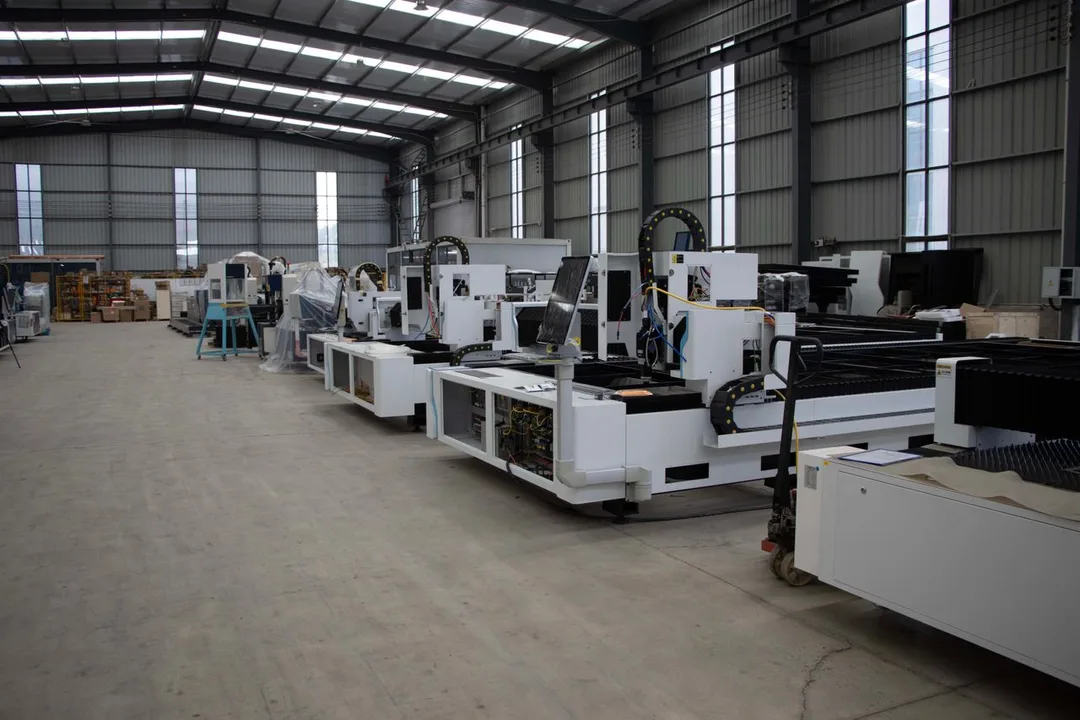
Photo: Frank van Dijk · Pexels License · via Pexels
Trusted by 200+ organisations across India & overseas — including






























Coir products and export
Bills of materials by design and size, work orders linked to export orders, subcontracting to weaving and finishing units in the coir parks, quality inspection before packing, and order-wise costing that includes yarn, latex or PVC backing and job charges.
Plastics, packaging and plywood units
Machine-wise job cards, granule and adhesive consumption against standard, moulds and dies as tooling with their own life, scrap by reason, and cost per run for units at Pallippuram and Mayithara that quote against competitors in Kochi.
Kuttanad paddy farming and rice milling
Lot-wise paddy intake with moisture and variety, a milling process with multiple outputs, bagging and batch labelling, yield comparison across lots and seasons, and stock of rice and by-products by godown. Machine hours and power costs are added to each lot.
Manufacturing in Alappuzha rarely resembles a single large factory. A coir exporter's production is spread over its own looms, tufting or PVC backing lines, and a ring of small job-work units from Punnapra to Cherthala, each doing one operation. The packaging, plastics and plywood units at the Industrial Growth Centre are the exception. Rice mills in Kuttanad run hard for a few months on a crop that arrives all at once.
ERPNext manufacturing covers bills of materials, work orders, operations and job cards, subcontracting, material requirement planning, batch tracking, scrap and by-products, quality inspection and production costing, connected to stock and accounts. We model production as it truly happens, outside units included, so the owner can answer two questions: where is this order, and what did it cost to make?
Case studies

BrahMos Aerospace Thiruvananthapuram Ltd (BATL)
BrahMos (BATL) — Secure, Auditable ERPNext Finance & Procurement

Della Fashions
Della Fashions — ERPNext POS Made Checkout 60% Faster Across Every Outlet

Kerala State Road Transport Corporation (KSRTC)
KSRTC — ERPNext Courier System Delivered ₹1 Crore in Profit
When weaving, stencilling or finishing is done by outside units, production disappears from view between issue and receipt. Subcontracting orders track material supplied, quantity due back, job charges payable and delays, unit by unit, so late units are visible before the shipment date is at risk.
Many exporters learn an order's real margin only when the year's accounts are closed. With bills of materials, actual material issues, job charges and overheads recorded against each work order, the cost is known when the order is completed and the next quotation can be corrected.
Milling paddy yields rice, broken rice, bran and husk, and defibring husk yields fibre and pith. When by-products are not recorded, yield cannot be judged. ERPNext records every output of a process with its quantity, so yield per lot becomes a routine report.
An example
A plastics moulding unit at the Industrial Growth Centre begins Monday with the week's work orders released against three customer orders. Each order carries its bill of materials: granules, masterbatch and packing. The shift supervisor starts the job card on the first machine from a tablet, and material moves from the raw material store to work in progress. Rejects from the second run are logged as scrap with a reason. At the end of the shift the finished quantity posts to stock and the labour hours to the job. The owner sees the actual cost of the order against the quotation while the goods are still on the floor, and adjusts the price on the next enquiry from the same buyer.
Our consultants visit the production sites, including a few of your job-work units, because the system must reflect what happens there. Bills of materials are built with your production head, not copied from a price list. We pilot one product line or a few live orders first, correct what does not fit, and then extend. Pallippuram and Alappuzha town are both an easy trip from Kochi.
Discovery. Your products, bills of materials, routings and how production is planned today.
Blueprint and fixed scope. A clear plan, the deliverables and the timeline, agreed in writing before configuration starts.
Configuration. Bills of materials, work orders, job cards, quality checks and costing.
Data migration. Items, bills of materials and opening stock, including work in progress.
Training, go-live and support. Your team tests on real data, we stand beside you at launch, then support continues under a plan.
The scope and timeline are agreed in writing before work starts.
They need not. Your own staff record material issued and goods received against each unit, from the gate or the store. The job worker receives a printed challan and statement. The system tracks their stock and charges without asking them to change anything.
Yes. Most coir exports from Alleppey are made to a buyer's size, design and packing. ERPNext creates work orders from the sales order, supports item variants and order-specific bills of materials, and keeps every cost tagged to that order.
Material planning in ERPNext works from orders, stock and lead times, and you can set seasonal stocking levels for fibre, yarn or paddy. It will not forecast the monsoon, but it shows clearly what must be bought and by when.
After a first conversation about your products, plants and how production is planned and costed today, we agree the scope and send you a written quotation. The price, the deliverables and the timeline are fixed against that scope before any work starts, so nothing grows without your sign-off.
You speak to someone who does this work, not a call centre. They ask about what you make, how production is planned and where costing breaks down. If it looks like a fit, we agree the scope and put it in writing, with the timeline, before any work starts. If it does not, we tell you.
Industrial Growth Centre (KSIDC), Pallippuram, Cherthalapark
Largest industrial park in the district, about 195 acres at Pallippuram near Cherthala; units in packaging, coir, steel, plastics, rubber, chemicals and plywood; roughly 30 km from Kochi.
Its packaging, steel, plastics, rubber, chemicals and plywood units are the district's closest thing to conventional factories, with bills of materials, machine operations and scrap that a manufacturing module is built for.
Source: ksidc.orgCoir Park I (Cherthala South) and Coir Park II (Mararikkulam North)park
Kerala's only two Directorate of Industries coir parks, both in Alappuzha, set aside for coir and coir-product units.
Units in the two coir parks weave, tuft and back mats in stages, often passing work between neighbours, which is subcontracting in ERPNext terms rather than a single work order.
Source: industry.kerala.gov.inKora grass (crabgrass) cluster, Cherthalacluster
Named by the district industrial profile as one of four major MSE clusters, centred on Cherthala.
Grass and screw-pine mats are made in small batches from a seasonal raw material, and even a simple bill of materials shows what a batch of mats really costs to make.
Source: dcmsme.gov.inPlaces and organisations are named for local context only. Acube Innovations is not affiliated with or endorsed by them.
Get a clear plan, an honest timeline, and a fixed scope. Talk to a real expert today — whether or not you work with us.
or write to info@acube.co
Kochi (Kadavanthra & Infopark) · Thiruvananthapuram · across India & overseas · In business since 2011