
Loading…
Loading…
Also serving Palghat
Road freight enters Kerala through the gap at Walayar. The operators working that corridor know their diesel bill and rarely know what a single trip earned after tolls, batta and detention.
Official ERPNext Partner · 100+ ERP projects · Since 2011
Or call +91 62358 66111
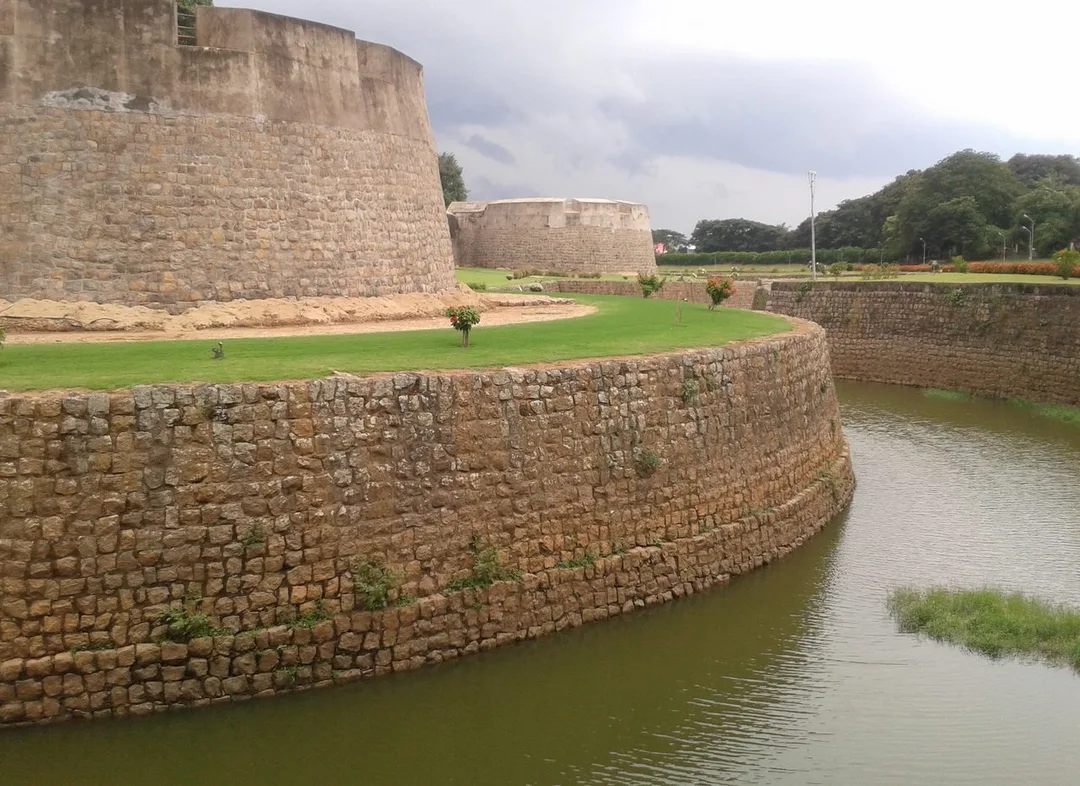
Photo: Vis M · CC BY-SA 4.0, cropped · via Wikimedia Commons
Trusted by 200+ organisations across India & overseas — including


























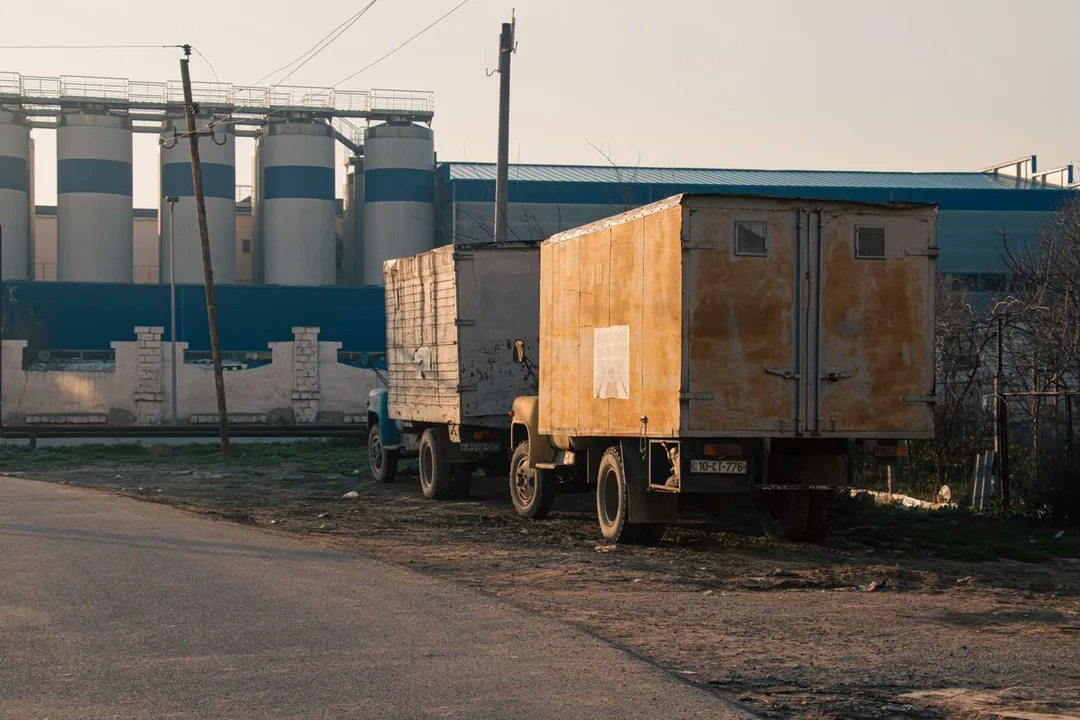
Few districts in Kerala live off the road the way this one does. Freight from Tamil Nadu crosses at Walayar and runs down NH 544 past Kanjikode into Palakkad town; NH 966 takes the northern traffic. Lorry owners carry cement, steel and consumer goods in and rice, rubber goods and engineering output out. Tanker operators, parcel services, mills and factories with their own vehicles all work the same lanes.
Fleet and dispatch management on ERPNext ties every trip to its vehicle, driver, customer and cost. The vehicle master holds permit, insurance, fitness and tax dates. Trips are planned and loads assigned, fuel, tolls, advances and expenses recorded, GPS feeds read for distance and location, proof of delivery captured, maintenance and tyres scheduled, and the freight invoice raised. Profit reports by trip, vehicle and route, in the same books as the rest of the business.
Case studies

Kerala State Road Transport Corporation (KSRTC)
KSRTC — ERPNext Courier System Delivered ₹1 Crore in Profit

Connect N Cabs Tours & Travels Pvt. Ltd.
Connect N Cabs — A Custom Travel ERP That Lifted Fleet Utilisation 35%

EVM Wheels (part of the EVM Group)
EVM Wheels — 70% of Self-Drive Rentals Now Book Themselves Through the App
Fuel is the biggest line and the easiest to lose. Fills booked against the trip and checked against GPS distance and the vehicle's own record make an outlier obvious. A lorry drinking more than its sisters on the same run shows up in a report, and the conversation with the driver has something behind it.
Insurance, fitness or a permit expires and the vehicle is stopped at a check post with goods on board. Dates held against the vehicle raise reminders well in advance, and a dispatcher is warned before assigning a vehicle whose papers are about to run out.
Advances go out for diesel, tolls, loading and food, and are settled when the driver reappears. Trip-wise advances and claims with bills attached, closed against an agreed batta, finish each trip cleanly and reach the accounts without a second entry.
An example
A transport office near Kanjikode books a load for Coimbatore at seven in the morning. The dispatcher picks a vehicle; one is greyed out because its fitness certificate falls due this week. The driver draws an advance for diesel and tolls against the trip, not against his name. By afternoon the GPS feed has closed the distance, the fuel slip is photographed at the pump, and the proof of delivery is signed on a phone at the consignee's gate. Before the lorry reaches Walayar on the way back, the office already knows what the trip earned after diesel, tolls and batta, and the invoice is waiting for approval.
We begin in your transport office, watching how a load is booked, a vehicle assigned and a driver settled. Vehicle, driver, route and rate masters are loaded with your dispatcher, and the GPS feed is tested with your present device supplier. Consultants come from Kochi to your Palakkad yard for training and the first days of live trips, and drivers are shown the phone app in Malayalam or Tamil. Support continues remotely.
Discovery. Your vehicles, drivers, trips, fuel and maintenance, and how dispatch runs today.
Blueprint and fixed scope. A clear plan, the deliverables and the timeline, agreed in writing before configuration starts.
Configuration. Vehicles, trips, dispatch, fuel and maintenance logs, and trip costing.
Data migration. Vehicle and driver records, service history and running contracts.
Training, go-live and support. Your team tests on real data, we stand beside you at launch, then support continues under a plan.
The scope and timeline are agreed in writing before work starts.
Logistics and warehousing
Trip planning and freight billing for operators on the Kerala and Tamil Nadu lanes, return loads tracked to cut empty running, consignor-wise profitability, detention recorded, and receivables chased against the same trips.
Manufacturing and engineering (Kanjikode)
Own lorries and hired market vehicles moving raw material in and finished goods out, with document reminders, fuel and service history, and a straight comparison between what own transport costs and what hiring costs.
FMCG and food processing
Route-based secondary distribution with a delivery sequence, van loading checked against invoices, proof of delivery captured on a phone, and cost per drop compared between the town routes and the long ones into the hills.
GPS says where the vehicle is. It does not say whether the trip made money, whether the advance was settled, or when the insurance falls due. Fleet management treats the GPS feed as one input and builds the commercial and maintenance record around it. Your present devices can usually stay.
In a lighter form, yes. A Palakkad plant or mill with its own vehicles gains document reminders, fuel and service history and a trip log, and finally learns what own transport costs against hiring. It runs inside the same ERPNext as stores and accounts, so there is no separate system to keep.
Market vehicles are booked per trip with the agreed hire, advance and balance, and TDS where it applies. Trip profitability then covers owned and hired together, which is what tells an operator whether to buy another lorry or keep hiring for the season.
After a first conversation about your fleet size, the trips you run and how dispatch and costing work today, we agree the scope and send you a written quotation. The price, the deliverables and the timeline are fixed against that scope before any work starts, so nothing grows without your sign-off.
You speak to someone who does this work, not a call centre. They ask about your fleet, how trips are assigned and where costs are hard to see. If it looks like a fit, we agree the scope and put it in writing, with the timeline, before any work starts. If it does not, we tell you.
Walayar, Kerala–Tamil Nadu border on NH 544transport
border town where inter-state road freight enters Kerala; four-lane highway with service roads
The point where interstate road freight enters Kerala. Operators running this crossing need trip costing, document validity and driver settlement handled before the vehicle is back in the yard.
Source: en.wikipedia.orgPalakkad Gap and NH 544 / NH 966transport
the 32–40 km break in the Western Ghats through which road and rail from Tamil Nadu enter Kerala; NH 544 (Coimbatore–Kochi) and NH 966 (to Kozhikode) cross the district
A break in the Western Ghats carrying both the Coimbatore corridor and the Kozhikode road, which is why lane-wise cost and return-load planning matter more here than in most districts.
Source: palakkad.nic.inShoranur Junctiontransport
largest railway station in Kerala by area; seven platforms where the Chennai–Palakkad line meets the coastal Mangalore–Kanyakumari line and the Nilambur branch
Kerala's largest railway station by area, with the road movement that feeds and clears it. Vehicles working a junction town run short, repetitive trips that are rarely costed one by one.
Source: en.wikipedia.orgCoimbatore International Airporttransport
nearest airport, about 55–62 km from Kanjikode / Palakkad town
The nearest airport, roughly an hour from the Kanjikode belt, which puts air cargo and courier runs on the same vehicles that carry factory loads and makes trip-wise costing worth having.
Source: kinfra.orgPlaces and organisations are named for local context only. Acube Innovations is not affiliated with or endorsed by them.
Get a clear plan, an honest timeline, and a fixed scope. Talk to a real expert today — whether or not you work with us.
or write to info@acube.co
Kochi (Kadavanthra & Infopark) · Thiruvananthapuram · across India & overseas · In business since 2011